
Where Paris Luxury Meets Tennis Culture
Casablanca Paris was founded on the premise that the most graceful instances in sport happen not during the game itself but in the spaces around it—the clubhouse terrace, the changing room, the evening reception. Creative director Charaf Tajer was inspired by his own experiences navigating Parisian cultural scene and Moroccan hospitality to create a fashion house that views tennis as a visual and cultural universe rather than a competitive pursuit. From the very first collection in 2018, Casablanca Paris established a connection to club life through silk shirts decorated with rackets, nets and verdant botanical motifs. This was not performance gear; it was a fantasy of the tennis life filtered through high-end textiles and elegant graphic design. By anchoring the house in tennis tradition, Tajer drew upon a storied legacy of sophistication: recall the classic white attire of 1930s competitors, the striped awnings of Roland-Garros and the cocktail culture that surrounds Grand Slam events. In 2026, this tennis ethos persists as the emotional backbone of every Casablanca Paris collection, even as the house expands into tailoring, outerwear and finishing pieces that go well beyond the court.
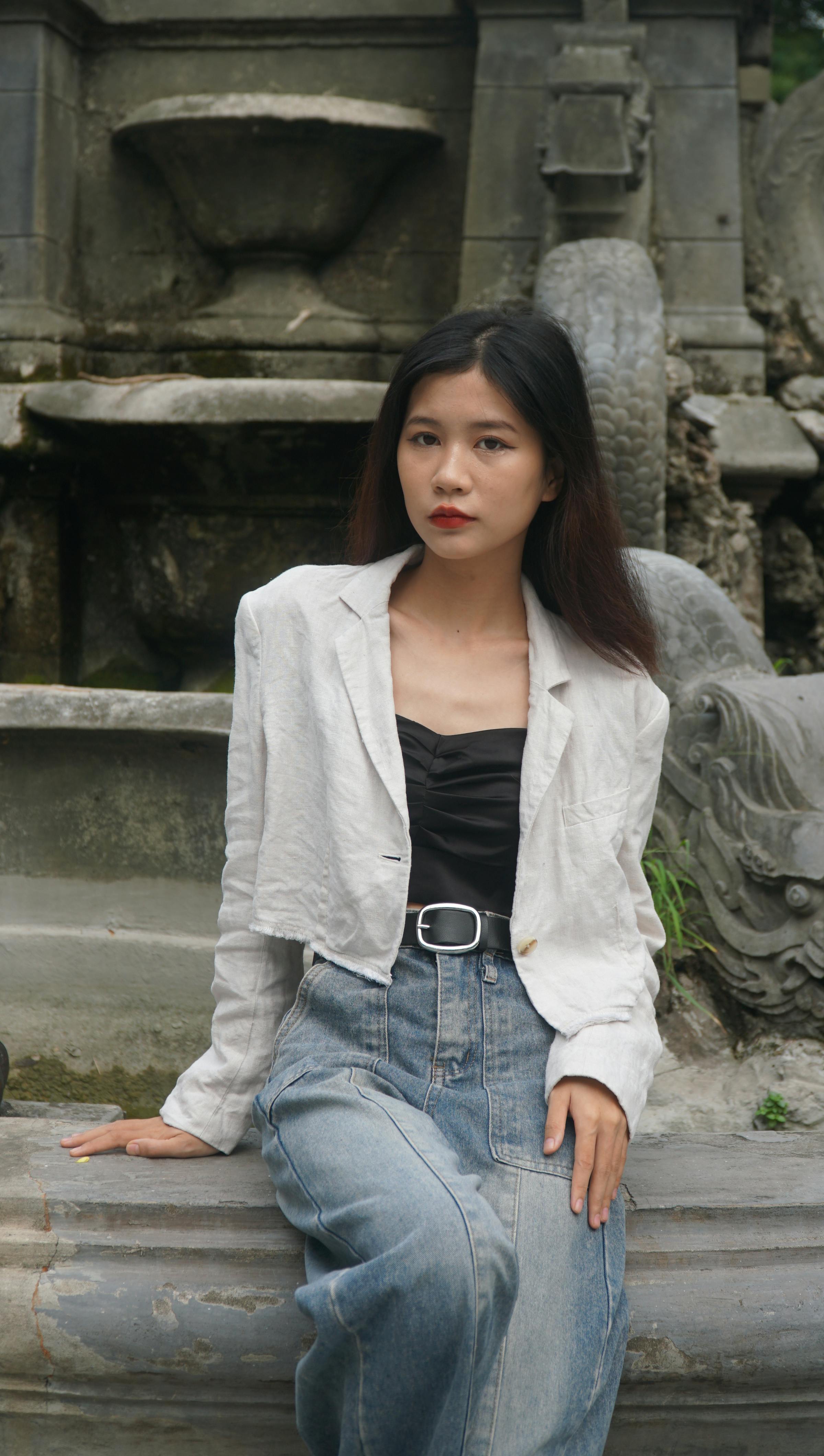
The Tennis Design Language in Casablanca Paris Collections
Tennis offers Casablanca Paris with a ready-made design language that is both precise and globally compelling. Clay-court reds, grass-court greens, net-white stripes and sun-yellow touches infuse each season’s palettes, providing each collection a sporting rhythm. Graphics showcase competitions, fans, awards and Mediterranean settings rendered in a painterly, slightly nostalgic style that avoids obvious sportswear territory. Logo crests emulate the club-crest motif of fictional tennis clubs, instilling a perception of membership and exclusivity without imitating any existing organisation. casablanca clothes Knitwear regularly incorporates cable-knit or patterned patterns evocative of classic tennis sweaters, while buttoned collars and polo designs pay homage to tournament attire. Terry cloth—a textile associated with courtside linens and sweatbands—appears in shorts, robes and relaxed tops, amplifying the physical connection to sport. Even accessories like caps, visors and wristbands carry the Casablanca Paris crest, transforming practical items into collectible brand markers. This comprehensive method guarantees that the tennis reference reads authentic and progressing rather than monotonous, sustaining fans invested across successive seasons in 2026 and beyond. Accessories such as a crest cap or woven belt can deepen the sporting mood without creating unnecessary complexity to the outfit.
Notable Tennis-Inspired Pieces Across Seasons
| Item | Tennis Reference | Standard Fabric | Price Range (2026) |
|---|---|---|---|
| Silk illustrated shirt | Courtside spectator | Mulberry silk | $700–$1 200 |
| Terry shorts | Club locker room | Cotton terry | $350–$500 |
| Knit polo | Match-day attire | Merino / cotton blend | $400–$650 |
| Track jacket | Warm-up layer | Satin / tricot | $600–$900 |
| Logo cap | Sun protection on court | Cotton twill | $150–$250 |
| Crest-embroidered sweatshirt | Club affiliation | Heavyweight fleece | $450–$700 |
Why Tennis Tradition Appeals to High-End Consumers
Tennis has for decades been tied to wealth, prestige and social elegance, making it a perfect companion to luxury fashion. Private clubs, exclusive courts and elite tournaments form contexts where fashion, etiquette and aesthetics come together. Unlike combat sports that prioritise aggression, tennis values poise, precision and individual expression—traits that correspond to the values of luxury fashion labels. Casablanca Paris draws on this cultural capital by presenting clothing that imagine an dreamed-up version of the tennis universe: forever sun-drenched, always communal, always beautifully styled. This inspiring image resonates with customers who may never compete in professional tennis but who appreciate the culture it stands for. In 2026, as health and fitness increasingly intersect with clothing design, the tennis theme seems even more appropriate. Competitions like Wimbledon, the US Open and Roland-Garros continue to generate high-profile interest and media coverage, bolstering the bond between tennis and elegance. Casablanca Paris benefits from this dynamic by presenting itself as the clothing source for individuals who desire to appear as if they belong at the most elite institutions in the globe, whether they own a racket or not.
How Casablanca Paris Differs From Other Tennis-Inspired Fashion Lines
Multiple fashion brands have explored tennis motifs over the years, from Ralph Lauren’s Wimbledon collaborations to Lacoste’s legacy range and Nike’s fashion-forward performance lines. What makes Casablanca Paris apart is the degree of its dedication to the visual world and its refusal to make technical sportswear. While other houses may drop a capsule collection inspired by tennis every few seasons, Casablanca Paris grounds its whole identity around the sport. Every season features designs that could believably be found in a invented tennis club from the 1970s, updated with modern hues, prints and shapes. The brand never makes real performance tennis gear—there are no moisture-wicking fabrics, no competition-grade shoes—which keeps the spotlight on imagination and lifestyle rather than performance. This distinction is significant because it positions Casablanca Paris alongside fashion houses rather than sports brands, supporting steeper price points and more sophisticated design. In 2026, rivals continue to launch sporadic tennis-themed capsules, but none have woven the narrative as thoroughly into their DNA as Casablanca Paris, granting the brand a storytelling advantage that is difficult to copy.
Wearing Casablanca Paris With a Tennis Energy in 2026
To integrate the Casablanca Paris tennis mood into everyday ensembles, anchor with one standout item that displays an unmistakable courtside nod—a illustrated silk shirt, a terry short, or a knit polo—and create the rest of the ensemble around it with simple basics. For men, combining a silk shirt with tailored cream pants and suede loafers produces a elegant evening or vacation outfit that mirrors the post-game gathering. For women, pairing a Casablanca polo tucked into a flowing midi skirt with flat sandals produces a athletic-elegant outfit perfect for daytime dining and museum outings. Layering is also impactful: layer a track jacket over a simple T-shirt and jeans to bring a flash of colour and athletic energy without committing to head-to-toe theme. During colder seasons, a knit or sweatshirt with a small tennis crest can be worn under a long coat or blazer, bringing warmth and individuality to a smart casual outfit. The fundamental principle is restraint—let the Casablanca Paris piece command attention while the rest of the outfit offers a calm background. This harmony maintains the tennis nod tasteful rather than costume-like.
The Cultural Influence and Future of Casablanca Paris Tennis Style
Beyond clothing, Casablanca Paris has played a role in a larger cultural shift in which tennis is rediscovered as a aesthetic marker for a younger, more multicultural audience. Digital content featuring players, creatives and performers sporting the house have broadened the appeal of tennis aesthetics beyond established elite communities. Pop-up shops at key competitions, special editions launched around Grand Slams and partnerships with tennis organisations ensure the brand creatively engaged in tennis environments. In 2026, the effect of Casablanca Paris is evident not only in its own revenue but in the overall fashion industry’s growing appetite for tennis-inspired fashion and recreational athletics. Other high-end labels have commenced incorporating sporting imagery, sport-inspired skirts and terry materials into their collections, a development that can be attributed in part to the template Casablanca Paris pioneered. For customers, this translates to more alternatives and more normalisation of tennis-inspired style in regular wardrobes. For the label itself, the mission is to continue evolving within its chosen niche so that it stays the ultimate voice of premium tennis culture rather than one of many. Given Charaf Tajer’s profound personal tie to the motif and the brand’s track record of considered evolution, Casablanca Paris is well positioned to retain that status for years to come. For more on the convergence of tennis and clothing design, see reporting at Vogue and Highsnobiety.